
During migration, many birds die after colliding with glass because they do not see it as an obstacle — they perceive the reflection of trees and other plants and think they are flying to shelter, so they crash into the window at full speed. These collisions are almost always fatal. In North America, building collisions are one of the leading causes of bird mortality from human activity, accounting for more than 1 billion bird deaths per year. While collisions can happen in both rural and urban areas, preventing bird strikes is a crucial way that cities can contribute to conservation efforts. Millions of birds pass through Omaha each spring and fall migration, and we can do our part to help protect them.
Fortunately, awareness of the problem is growing, and there are cost-effective solutions that avoid any need for replacing existing windows. Manufacturers such as Feather Friendly produce small decals applied to windows to create a pattern that birds can recognize as an obstacle. You can purchase an amount of decals suitable for a house or apartment. For businesses, cost-effective commercial-scale installations are possible, too. McCormick Convention Center in Chicago was responsible for thousands of migratory bird deaths. In 2024, the center installed Feather Friendly decals. So far it has been 95% effective in reducing migratory bird mortality, according to the Cornell Lab of Ornithology.
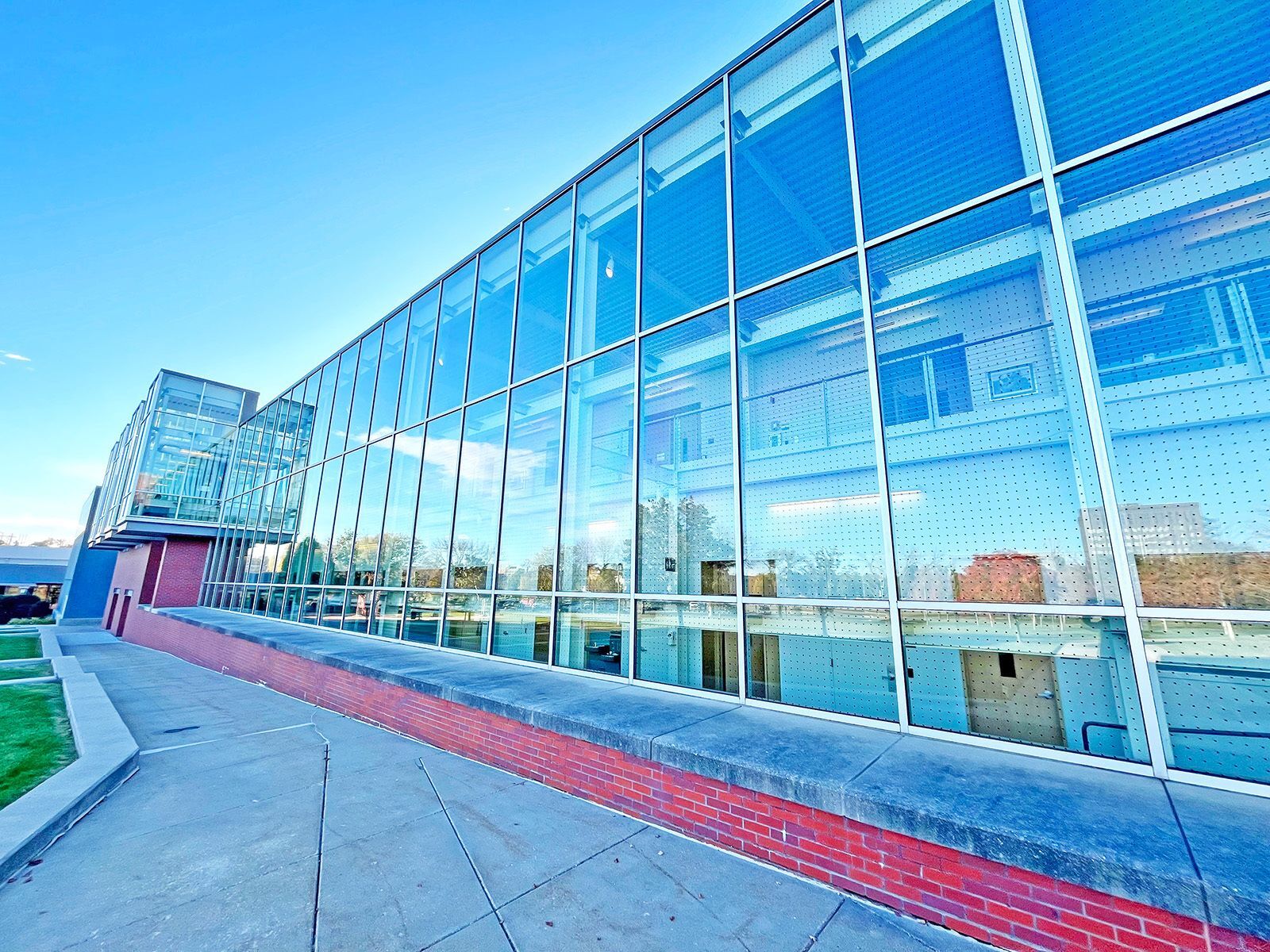
Last fall, the South Omaha Campus of Metropolitan Community College applied decals to the Connector Building’s many large windows. This will help prevent window collisions during this spring migration and for many years to come. Putting up bird-safe window decals on such a large building represents a significant step forward in conserving birds in Omaha, and serves as a great example for other institutions near and far.